
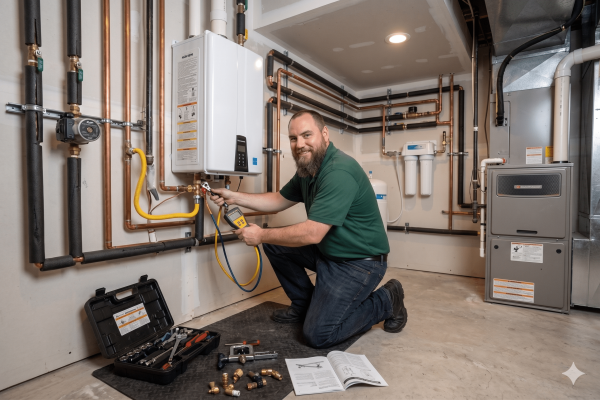
If your hot water has suddenly turned cold—or your system is showing signs of age—you’re probably asking the same question most homeowners do: how much does water heater replacement cost in Tampa? The answer isn’t one-size-fits-all. In fact, pricing can vary significantly depending on the type of system you choose, where it’s installed, and the complexity of the job.
At Matt’s Plumbing, we believe in transparency and helping homeowners make informed decisions. Below, we break down the real factors that impact water heater replacement costs so you can understand where your investment is going—and how to get the best value long-term.
Average Water Heater Replacement Cost in Tampa
In the Tampa area, most homeowners can expect to invest anywhere from $1,500 to $6,500+ for a full water heater replacement. That’s a wide range, and for good reason. The final cost depends heavily on the type of unit you select and the installation requirements.
Basic electric tank water heaters typically fall on the lower end of the spectrum, while tankless or hybrid systems can push costs higher upfront. However, focusing only on initial price can be misleading—because efficiency, longevity, and reliability all play a role in the true cost over time.
Types of Water Heaters and Their Impact on Cost
Traditional Tank Water Heaters
These are the most common and generally the most affordable option upfront. They store and heat a set amount of water, making them reliable and simple to install. However, they tend to be less energy efficient and may have a shorter lifespan compared to newer technologies.
Tankless Water Heaters
Tankless systems heat water on demand, eliminating the need for a storage tank. While they come with a higher upfront cost, they are significantly more energy efficient and can last much longer than traditional units. For homeowners planning to stay in their home long-term, tankless systems often provide substantial savings over time.
Hybrid Electric Water Heaters
Hybrid systems combine traditional tank storage with heat pump technology to improve efficiency. They cost more initially but can dramatically reduce monthly energy bills. In Tampa’s climate, these systems perform especially well due to the warm ambient air they utilize.
Gas Water Heaters
Gas systems can heat water faster than electric models, but installation may require additional components such as gas lines or ventilation systems. These factors can increase overall installation costs.
Installation Variables That Affect Pricing
Beyond the unit itself, installation plays a major role in determining total cost. Labor is often the most significant portion of a water heater replacement, especially when complications arise.
Location of the Water Heater
Where your water heater is located can dramatically impact installation difficulty and cost. Units installed in easily accessible areas like garages are generally straightforward. However, systems located in attics, tight closets, or elevated shelving require more time, safety precautions, and specialized equipment.
For example, attic installations often require additional safeguards such as drain pans and leak detection alarms. These are essential for preventing water damage but do add to the overall cost.
Accessibility and Space Constraints
Tight or confined spaces can make installation more complex. If plumbers need to maneuver equipment into difficult areas or modify surrounding structures, labor time increases.
Drainage and Safety Requirements
Modern building standards often require proper drainage systems, especially for units located above living spaces. Installing or upgrading these components ensures long-term protection for your home but can add to the upfront investment.
The Role of Piping and Existing Infrastructure
Another often-overlooked factor is the condition and type of your existing plumbing system.
Different piping materials—such as galvanized steel, CPVC, PEX A, PEX B, or copper—require different installation techniques. Some materials are easier to work with, while others may require additional labor or upgrades to meet current standards.
For instance, older galvanized piping may need to be replaced or modified during installation, adding both time and cost. On the other hand, newer systems using PEX piping can often be integrated more efficiently.
Because every home is different, this is one of the key reasons why accurate, on-site estimates are so important.
Why Labor Is the Largest Cost Factor
While the price of the water heater itself is important, labor is often the biggest contributor to total cost. A professional installation ensures that your system is safe, efficient, and compliant with local codes.
Cutting corners on installation can lead to leaks, inefficiency, or even premature system failure—costing far more in the long run. That’s why working with experienced professionals is essential.
The Truth About Customer-Supplied Water Heaters
Many homeowners consider purchasing their own water heater from big-box retailers in an effort to save money. While this may seem like a cost-effective approach, it often leads to more problems than savings.
Retail-supplied water heaters are typically manufactured with cost-cutting in mind. For example, they may include plastic drain valves instead of more durable brass components. These small differences can significantly impact performance and longevity.
Additionally, when a homeowner supplies the unit, contractors are limited in what they can guarantee. While the installation work can be warrantied, the unit itself often cannot—leaving you exposed if something goes wrong.
In many cases, the savings from purchasing a unit independently are minimal. When you factor in reduced quality and limited warranty protection, it’s often a better investment to work with a professional who provides both the equipment and installation.
Long-Term Value vs. Upfront Cost
When evaluating water heater replacement costs, it’s important to look beyond the initial price tag. Energy efficiency, durability, and performance all contribute to long-term value.
Higher-end systems like tankless or hybrid water heaters may require a larger upfront investment, but they can significantly reduce monthly utility bills and last longer than traditional units. Over time, these savings can offset the initial cost and even result in a lower total cost of ownership.
Choosing the Right Water Heater for Your Tampa Home
The best water heater for your home depends on your specific needs, budget, and long-term plans. Factors such as household size, water usage, and installation location all play a role in determining the right solution.
Working with a knowledgeable plumbing professional ensures that you get a system tailored to your home—not just a one-size-fits-all recommendation.
Get an Accurate Estimate from Matt’s Plumbing
Because so many variables influence water heater replacement cost, the most reliable way to get an accurate price is through a professional assessment.
At Matt’s Plumbing, we take the time to evaluate your home, explain your options, and provide honest recommendations based on your goals. Whether you’re considering a basic replacement or upgrading to a high-efficiency system, our team is here to guide you every step of the way.
If you’re in the Tampa area and need a water heater replacement, reach out today to schedule your consultation. Investing in the right system now can save you time, money, and stress for years to come.
Most Tampa homeowners can expect water heater replacement costs to range between $1,500 and $6,500+ depending on the type of system, installation complexity, and any plumbing or code upgrades required. Traditional tank systems are usually more affordable upfront, while tankless and hybrid models cost more initially but may offer long-term energy savings.
Several factors impact pricing, including the type of water heater, the location of the unit, accessibility, existing plumbing materials, drainage requirements, and labor involved. For example, replacing a water heater in an attic or tight closet often requires additional time, safety equipment, and protective measures.
For many homeowners, yes. Tankless water heaters are more energy efficient, last longer than traditional tank models, and provide hot water on demand. While the initial investment is higher, many Tampa homeowners find the long-term savings and performance benefits worth it—especially if they plan to stay in their home for years.
While homeowners can supply their own unit, professionally supplied water heaters often come with better-quality components and stronger warranty protection. Big-box store models may use lower-grade materials, and warranties are typically more limited when the equipment is customer-supplied.
Signs you may need a replacement include inconsistent hot water, rusty or discolored water, unusual noises, leaks around the tank, rising energy bills, or a unit that’s over 8–12 years old. If you’re experiencing any of these issues, Matt’s Plumbing can inspect your system and help determine whether repair or replacement is the best option.