
A slab leak is one of the most serious plumbing issues a homeowner can face—and in Tampa, it’s more common than you might think. With shifting soils, high water tables, and aging plumbing systems, leaks beneath your home’s concrete foundation can develop without warning.
The real danger? Many slab leaks go unnoticed until the damage is already significant. If you suspect something is wrong, acting quickly can save you thousands in repairs and prevent long-term structural issues.
Here’s exactly what to do if you have a slab leak in Tampa—before it gets worse.
What Is a Slab Leak?
A slab leak occurs when a water line running beneath your home’s concrete foundation begins to leak. These pipes are typically buried under the slab, making them difficult to access and even harder to detect without professional equipment.
Because the leak is hidden, water can continue to flow for days or even weeks, slowly causing damage beneath your home.
Warning Signs of a Slab Leak
Slab leaks don’t always announce themselves with obvious flooding. Instead, the signs are often subtle at first and become more severe over time.
- Unexplained increases in your water bill
- The sound of running water when no fixtures are in use
- Warm or damp spots on your floor
- Cracks in flooring or walls
- Reduced water pressure
- Mold or mildew smells
One of the most telling signs is this: if no water is running in your home but your water meter is still moving, you almost certainly have a leak somewhere—and it could be under your slab.
Step 1: Shut Off Your Main Water Supply Immediately
If you suspect a slab leak, the first and most important step is to shut off your main water supply.
Most Tampa homes are equipped with a quarter-turn ball valve shut-off, which allows you to quickly stop the flow of water. Turning this valve off immediately prevents additional water from leaking beneath your foundation.
This step alone can significantly reduce damage and buy you time while you arrange for professional help.
Step 2: Confirm the Leak Using Your Water Meter
After shutting off your water, you can perform a simple check to confirm whether a leak is present.
Locate your water meter and observe it closely. If the meter continues to move even though all water fixtures are off, it’s a strong indication that water is escaping somewhere in your system.
This is often one of the earliest and most reliable signs of a slab leak.
Step 3: Call a Licensed Plumbing Contractor for Leak Detection
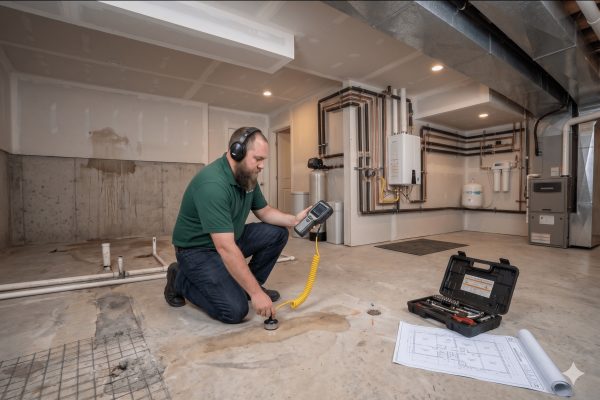
Slab leaks are not DIY-friendly problems. Because the pipes are buried beneath concrete, specialized tools and experience are required to locate the exact source of the leak.
Professional plumbers use advanced leak detection methods, such as acoustic listening devices and pressure testing, to pinpoint the problem without unnecessary damage to your home.
Accurate leak detection is critical. Without it, you risk tearing up flooring or concrete in the wrong area—leading to higher costs and more disruption.
Why Slab Leaks Should Never Be Ignored
It might be tempting to delay repairs, especially if the signs seem minor. However, allowing a slab leak to continue is like playing with fire.
Rising Water Bills
Even a small leak can waste a significant amount of water over time. Many homeowners first notice a slab leak when their utility bill suddenly spikes.
Foundation Damage
As water leaks beneath your home, it can erode the soil supporting your foundation. Over time, this can lead to shifting, cracking, or even structural instability.
Mold and Mildew Growth
Moisture trapped beneath your home creates the perfect environment for mold and mildew. This not only damages your property but can also affect indoor air quality.
Increased Repair Costs
The longer a slab leak goes untreated, the more damage it causes—and the more expensive it becomes to fix. What starts as a manageable repair can quickly turn into a major restoration project.
Why Leak Detection Is So Important
One of the biggest mistakes homeowners make is assuming they know where the leak is coming from. In reality, slab leaks can travel along pipes and appear far from their actual source.
Professional leak detection eliminates guesswork. By accurately identifying the problem area, plumbers can recommend the most effective repair method—whether that’s spot repair, rerouting, or repiping.
This precision not only saves time but also minimizes damage to your home.
Common Slab Leak Repair Options
Spot Repair
If the leak is isolated and accessible, a targeted repair may be possible. This involves opening the slab in a small area to fix the damaged pipe.
Pipe Rerouting
In some cases, it’s more efficient to reroute the water line around the slab rather than repairing it directly underneath.
Whole-Home Repiping
For older homes with multiple failing pipes, repiping may be the most cost-effective long-term solution.
Each situation is different, which is why a professional evaluation is essential.
Why Slab Leaks Are Especially Common in Tampa
Tampa’s unique environment contributes to the risk of slab leaks. Factors such as soil movement, humidity, and corrosion can all impact underground plumbing systems.
Additionally, many homes in the area were built decades ago and may still have aging pipes that are more prone to failure.
Because of these conditions, it’s especially important for Tampa homeowners to stay vigilant and act quickly at the first sign of trouble.
Protecting Your Home from Future Slab Leaks
- Schedule regular plumbing inspections
- Monitor your water bill for unusual increases
- Upgrade outdated piping materials
- Install leak detection devices or alarms
- Address small plumbing issues before they escalate
Being proactive can help you catch problems early and avoid costly repairs down the line.
Get Professional Help Before the Problem Gets Worse
If you suspect a slab leak, don’t wait. The longer water continues to flow beneath your home, the greater the damage becomes.
At Matt’s Plumbing, we understand how urgent these situations are. Our team uses advanced leak detection technology to quickly locate the problem and provide effective, long-lasting solutions.
If your water meter is running when nothing is on, or you’ve noticed any signs of a slab leak, it’s time to act. Shutting off your water and calling a licensed professional right away can make all the difference.
Common warning signs of a slab leak include unusually high water bills, damp or warm spots on your floors, the sound of running water when no fixtures are on, reduced water pressure, cracks in walls or flooring, and mold or mildew odors. Another major red flag is if your water meter continues moving when all water inside the home is turned off.
The first step is to shut off your home’s main water supply immediately to prevent further damage beneath your foundation. After that, check your water meter to see if it continues running, then contact a licensed plumbing professional like Matt’s Plumbing for professional leak detection.
Yes. Slab leaks can cause serious structural damage if left untreated. Water leaking beneath your home can erode the soil supporting the foundation, leading to cracks, shifting, uneven flooring, and long-term structural instability. The sooner the leak is addressed, the better your chances of minimizing costly repairs.
Professional plumbers use specialized equipment such as acoustic listening devices, pressure testing, and advanced leak detection technology to locate the exact source of the leak beneath the concrete slab. Accurate detection helps minimize unnecessary damage to floors and reduces repair costs.
Yes. Tampa homes are especially susceptible to slab leaks due to shifting soil conditions, high humidity, aging plumbing systems, and corrosion caused by Florida’s environment. Older homes with outdated piping materials are particularly at risk, which is why regular plumbing inspections are important for early detection.