
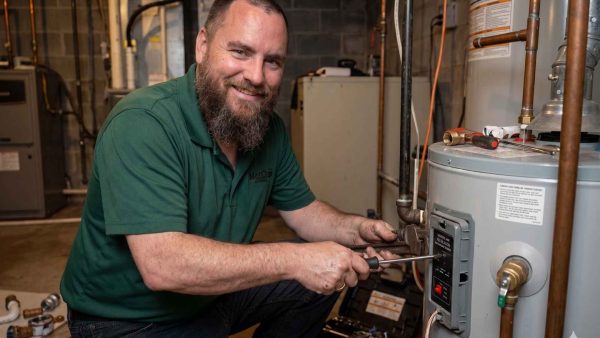
Why Is My Water Heater Making Noise? (And When to Call a Plumber)
If your water heater has started making strange noises—popping, rumbling, banging, or hissing—you’re not alone. This is one of the most common concerns homeowners in Tampa have, and it’s often a sign that something is happening inside your system that shouldn’t be ignored.
While some noises may seem harmless at first, they can point to underlying issues that reduce efficiency, increase your energy bills, and even shorten the life of your water heater.
Here’s what those sounds actually mean—and when it’s time to call a professional.
What Causes a Water Heater to Make Noise?
In the vast majority of cases, water heater noise comes down to one primary issue: mineral buildup inside the tank.
In areas like Tampa Bay, where hard water is common, minerals such as calcium naturally accumulate over time. As your water heater operates, these minerals settle at the bottom of the tank and begin to harden.
Over time, this buildup creates a barrier between the heating element and the water.
Why Calcium Buildup Leads to Noise
When calcium deposits form inside your water heater, they don’t just sit quietly—they interfere with how your system heats water.
- The heating element has to work harder to heat the water
- Heat gets trapped beneath the mineral layer
- Water becomes superheated and starts to bubble through the deposits
This process creates the popping, rumbling, or knocking sounds you hear.
In fact, many plumbing professionals estimate that up to 90% of water heater noises are caused by calcium buildup.
The Hidden Cost of a Noisy Water Heater
Noise is just the symptom—the real issue is what it’s doing to your system.
Reduced Efficiency
Calcium acts as an insulator, making it harder for heat to transfer into the water. This means your water heater uses more energy to do the same job.
Higher Utility Bills
As efficiency drops, your energy usage increases. Over time, this can noticeably impact your monthly utility costs.
Increased Wear and Tear
When your system works harder than it should, components wear out faster—leading to more frequent repairs or early replacement.
Shortened Lifespan
Left untreated, mineral buildup can significantly reduce the lifespan of your water heater.
Should You Drain a Noisy Water Heater?
Many homeowners assume that draining the tank will solve the problem—and in some cases, it can help.
However, there’s an important catch.
If your water heater is older—typically six to eight years or more—draining it can actually create new problems. Over time, calcium buildup can become compacted and stable. Attempting to flush it out may loosen large chunks of debris, which can clog valves, damage components, or even cause leaks.
This is why professional evaluation is critical before attempting any maintenance on an older system.
When It’s Time to Replace Your Water Heater
If your water heater is making noise and approaching the end of its lifespan, replacement may be the smarter investment.
Most traditional tank water heaters come with warranties in the six- to eight-year range. Once your system reaches that point, continued issues like noise, reduced efficiency, and mineral buildup often indicate it’s time to upgrade.
Replacing your unit before it fails completely can help you avoid emergency situations and potential water damage.
Tankless Water Heaters: Maintenance Matters
Tankless water heaters are a popular choice for Tampa homeowners, but they’re not maintenance-free.
Because they heat water on demand, mineral buildup can occur even more quickly if the system isn’t properly maintained.
Annual servicing is essential for tankless units. Regular descaling helps remove mineral deposits before they can impact performance, efficiency, or longevity.
Skipping this maintenance can lead to the same issues seen in traditional systems—just in a different form.
How Water Filtration Protects Your Plumbing System
One of the most effective ways to prevent water heater noise—and many other plumbing issues—is installing a water filtration system.
Prevents Calcium Buildup
By reducing mineral content, filtration helps keep your water heater clean and operating efficiently.
Protects Pipes and Fixtures
Hard water and chemical additives can damage plumbing materials over time. For example, CPVC piping can become brittle and prone to cracking when exposed to certain elements in untreated water.
Reduces Chlorine Damage
Chlorine, commonly found in municipal water supplies, can degrade rubber components inside plumbing fixtures and appliances. Over time, this leads to leaks, failures, and costly repairs.
A good way to think about it is this: just like chlorine can damage plastic items left in a pool, it can also break down materials inside your plumbing system.
Extends Equipment Lifespan
From your water heater to your pipes and fixtures, cleaner water means less wear and longer-lasting performance.
Why Filtration Is a Smart Upgrade with a New Water Heater
If you’re already considering replacing your water heater, it’s the perfect time to install a water filtration system.
Pairing a new unit with filtration ensures that you’re protecting your investment from day one. Instead of allowing minerals and chemicals to immediately start breaking down your new system, you create a cleaner environment that supports long-term efficiency and durability.
In many cases, this combination can actually reduce your overall costs over time by minimizing repairs and extending the lifespan of your equipment.
When to Call a Plumber
Not every noise requires immediate replacement—but it does require attention.
- Your water heater is making persistent popping, banging, or rumbling sounds
- Your system is six years or older
- You’ve noticed a drop in hot water performance
- Your energy bills have increased without explanation
- You’re unsure whether it’s safe to drain your unit
A licensed plumber can inspect your system, determine the cause of the noise, and recommend the best course of action—whether that’s maintenance, repair, or replacement.
Don’t Ignore the Warning Signs
A noisy water heater isn’t just an annoyance—it’s a warning sign.
In Tampa’s hard water conditions, mineral buildup is a common issue that can quickly escalate if left untreated. What starts as a minor sound can lead to higher bills, reduced efficiency, and costly repairs.
Addressing the problem early gives you more options and helps you avoid unexpected breakdowns.
Get Expert Help from Matt’s Plumbing
At Matt’s Plumbing, we’ve seen firsthand how quickly water heater issues can escalate in Tampa homes. Our team understands the impact of hard water, mineral buildup, and system wear—and we know how to fix it.
Whether your water heater needs servicing, replacement, or you’re ready to upgrade with a filtration system, we’re here to help you make the right decision for your home.
If your water heater is making noise, don’t wait until it fails. Contact Matt’s Plumbing today to schedule an inspection and get your system running efficiently again.
A popping noise in your water heater is usually caused by mineral buildup, especially calcium, at the bottom of the tank. As water gets trapped beneath the hardened deposits, it overheats and bubbles through the sediment, creating a popping or rumbling sound. This is common in areas with hard water like Tampa and can reduce efficiency and increase energy costs over time.
A noisy water heater is not always immediately dangerous, but it is a warning sign of underlying issues such as sediment buildup or overheating. Ignoring these sounds can lead to reduced efficiency, higher utility bills, and potential damage to the system over time.
Flushing a water heater can help remove sediment, but it is not always recommended for older units. In systems that are six to eight years old or older, flushing can loosen hardened mineral deposits and cause clogs or leaks. A professional inspection is recommended before attempting to drain an older water heater.
Signs that your water heater may need replacement include persistent noise, reduced hot water supply, rising energy bills, and age beyond six to eight years. If mineral buildup has significantly impacted performance, replacement is often more cost-effective than repair.
Yes, hard water is one of the leading causes of water heater issues. Minerals like calcium build up inside the tank, reducing efficiency, causing noise, and shortening the lifespan of the unit. Installing a water filtration system can help prevent these problems and extend the life of your equipment
Regular maintenance and installing a water filtration system can reduce mineral buildup and prevent noise. Annual servicing is especially important for tankless systems to maintain efficiency and extend lifespan.